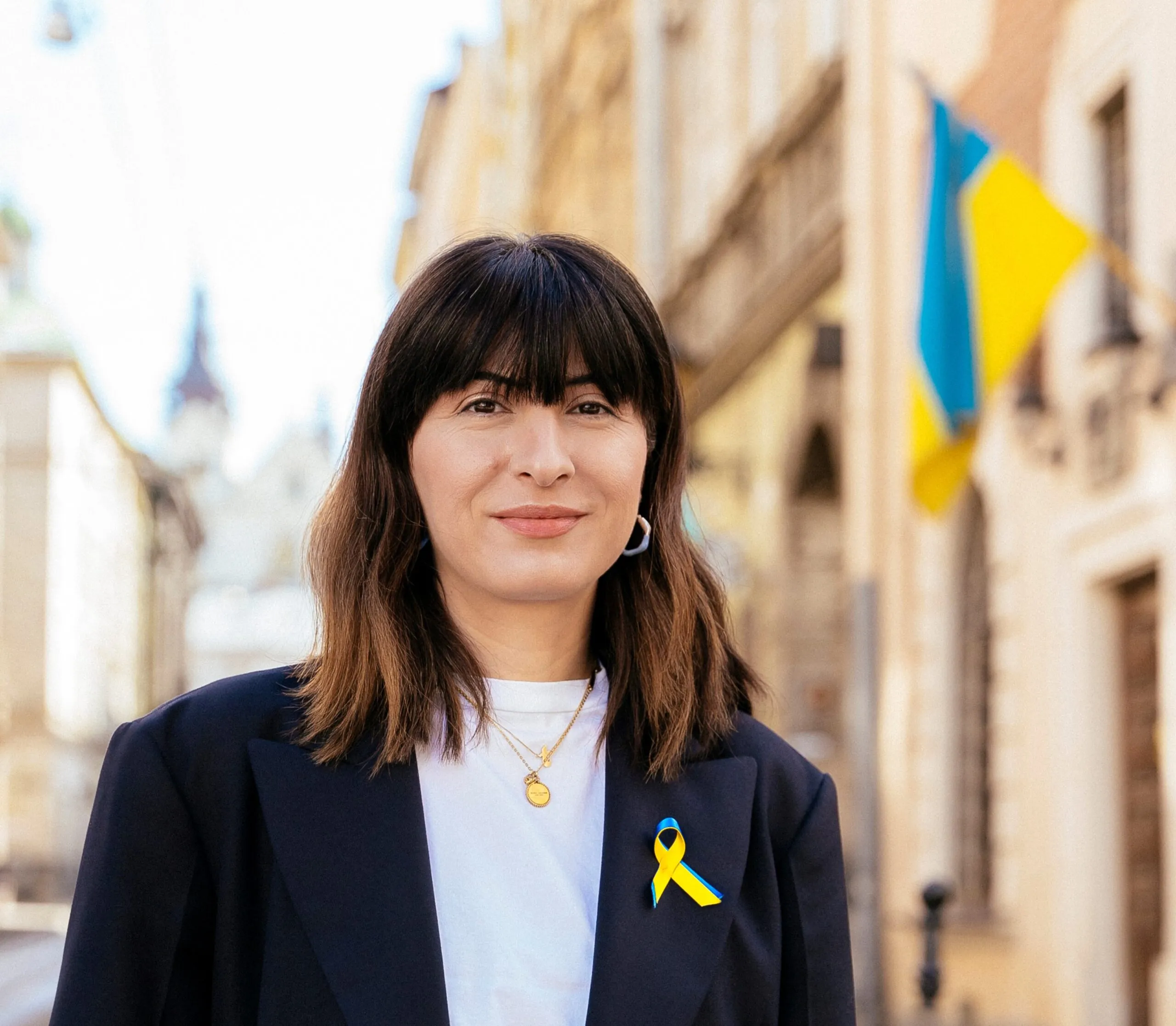
November 25, 2025 – CS company held an online workshop dedicated to the practical aspects of connecting banks to the Single Euro Payments Area (SEPA). The event brought together participants from 26 Ukrainian banks and came as a response to the banking community’s active interest following the National Bank of Ukraine’s letter regarding the timeline for integration into the European payment system.
Regulatory Requirements
The National Bank has set clear deadlines: by the end of December 2025, banks must select their correspondent bank, and by March 2026, assess their readiness and communicate the possible operational launch date. With this timeline, Ukrainian banks face the challenge of not only understanding the technical aspects of integration but also learning about the real challenges of this process from those who have already completed this journey.
First-Hand Expertise
The workshop was led by Volodymyr Olefir, who has managed numerous complex implementation projects at CS and has direct experience with SEPA integration. A key highlight of the event was the participation of Natalia Dragutan, project manager for SEPA implementation at Moldindconbank. The practical experience of one of Moldova’s largest banks, which completed the journey from approval to operational launch in less than a year, generated the greatest interest among the audience.
Technical Presentation from CS
Volodymyr Olefir provided a detailed overview of the company’s ready-made solution for SEPA integration. The meeting covered a range of important topics:
- Connection options: direct and indirect connection through correspondent banks, specifics of each approach for Ukrainian banks.
- Technical implementation in CBS B2: support for all key SEPA message types (payments, returns, investigation requests).
- Experience with different specifications: integration specifics with OTP Bank Hungary and Raiffeisen Bank International Austria.
- Automatic routing: how the system determines whether to send a payment via SEPA or SWIFT based on participant directories.
- Preparation for acceptance testing: a critically important stage without which a bank cannot begin operations, and scenarios that need to be worked through.
- Basic technical requirements: what a bank needs to prepare for an effective start and seamless project implementation.
- Implementation timeline: based on Moldovan experience, CS is ready to implement the solution within 6 months, as required by the NBU.
Moldova’s Experience: Lessons for Ukraine
Natalia Dragutan from Moldindconbank shared practical experience of the entire journey from preparation to operational launch. Moldova’s experience demonstrated that the first banks to launch SEPA payments gained a tangible competitive advantage due to a fundamentally different level of convenience and cost for clients. Banks that delayed implementation felt this in their customer base.
The important role of the Association of Banks of Moldova was also highlighted – it centralized communication with European institutions and significantly simplified the process for all participants. A similar approach could be beneficial for the Ukrainian market.
Practical Outcome
During the workshop, participants actively discussed compliance with regulatory requirements, fund crediting timelines, working with different correspondent banks and their specifications. An interesting moment was the statement by a representative of OTP Bank Ukraine, who confirmed their parent European company’s readiness to consider cooperation with Ukrainian financial institutions as a correspondent bank.
Volodymyr Olefir
Having real experience implementing the project in Moldova, where the timeline from official decision to operational launch was only seven months, we are confident in our ability to help Ukrainian banks effectively navigate this path.
Following the workshop, all participants received presentation materials and technical documentation. CS continues individual consultations with banks, helping them formulate their connection strategy and assess necessary resources.
The Ukrainian banking sector is taking an important step toward integration with the European financial space. And as Moldova’s experience shows, the success of this process depends not only on technical readiness but also on understanding market realities and timely action.